Strengthen Damaged Nails Naturally
Key Features
- Step-by-step natural remedies for nail recovery
- Essential daily habits to prevent further damage
- Science-backed nutrition tips for stronger nails
- Timeline for visible improvements
- Common pitfalls and how to avoid them
Stepping away from artificial nails like gels, acrylics, and press-ons can be liberating, but it often leaves your natural nails brittle, thin, and prone to breakage. If you’ve recently removed these enhancements, you might be staring at weak, peeling tips and dry cuticles, wondering how to restore your nails to their healthy state. The good news is that with consistent care and natural methods, recovery is not only possible but can lead to stronger, more resilient nails than before.
At Unnail, we specialize in guiding women through this transition, focusing on gentle, effective ways to heal nail damage without harsh chemicals. Nail damage from artificial enhancements typically stems from the acetone soaks, filing, and adhesives that strip moisture and weaken the nail bed. Over time, this can cause ridges, splitting, and even infections if not addressed. But understanding the root causes empowers you to target your recovery.
This guide dives deep into the science of nail health, offering practical strategies to rebuild strength from the inside out. Whether you’re dealing with post-acrylic fragility or gel-induced dryness, we’ll cover actionable steps, including DIY remedies using everyday ingredients. Expect to learn about nutrient-rich diets, soothing topicals, and protective habits that promote growth. Many women see initial improvements in 2-4 weeks, with full strength returning in 2-3 months, depending on the extent of damage. Patience is key, but the results—long, lustrous natural nails—are worth it. Let’s embark on your journey to empowered, healthy nails.
Understanding Nail Damage Post-Artificial Nails
Artificial nail products promise beauty and durability, but they often come at a cost to your natural nails. Gels and acrylics require aggressive removal processes that dehydrate and thin the nail plate, while press-ons can cause lifting and bacterial buildup if not applied correctly. According to dermatologists, up to 70% of women experience some form of nail damage after prolonged use of these enhancements.
The nail plate, made primarily of keratin—a tough protein—relies on a balance of moisture, oils, and nutrients for strength. When you apply acrylics, the monomer liquid and polymer powder create a hard shell that adheres to your nail but can suffocate it, preventing natural oil production from the nail matrix. Removal with acetone not only dissolves the product but also leaches essential lipids from your nails, leading to brittleness. Gels, cured under UV light, can cause oxidative stress, resulting in yellowing and weakening over time. Press-ons, though temporary, often use adhesives that leave residues, promoting splits and ridges.
Signs of damage include white spots (leukonychia), horizontal ridges from trauma, and slow growth rates—nails typically grow 3mm per month, but damage can halve that. If left unchecked, this can lead to chronic issues like onycholysis, where the nail separates from the bed. The timeline for recovery varies: mild damage might show softening in 1-2 weeks, but severe thinning could take 3-6 months as the nail fully regrows. Early intervention is crucial; ignoring it prolongs vulnerability.
Assessing Your Nail’s Condition
Start by examining your nails under good light. Look for thinning (nails that bend easily), discoloration, or peeling edges. Check cuticles for dryness or hangnails, which indicate overall dehydration. If you notice pain, swelling, or pus, consult a doctor to rule out infection. Tracking progress with weekly photos can motivate you during the healing process.
Natural Strengthening Methods
Rebuilding nail strength naturally focuses on hydration, nutrition, and protection, bypassing synthetic hardeners that can worsen damage. These methods leverage your body’s own repair mechanisms, using ingredients that nourish the nail bed and promote keratin production.
Nutrition for Nail Health
Your diet is the foundation of nail recovery. Nails are a barometer of internal health, so prioritize biotin-rich foods like eggs, almonds, and sweet potatoes—biotin supports keratin infrastructure, with studies showing it can increase nail thickness by 25% in deficient individuals. Incorporate omega-3 fatty acids from salmon or flaxseeds to combat inflammation and dryness. Protein is essential too; aim for 46-56 grams daily from lean meats, beans, or yogurt, as nails are 95% protein.
Don’t overlook vitamins: Vitamin E from avocados protects against oxidative damage, while iron from spinach prevents ridging linked to anemia. Hydrate with 8-10 glasses of water daily, as dehydration directly impacts nail flexibility. Supplements can help if your diet falls short, but consult a healthcare provider first. Visible strengthening from nutritional changes often appears in 4-6 weeks as new nail growth emerges.
DIY Topical Treatments
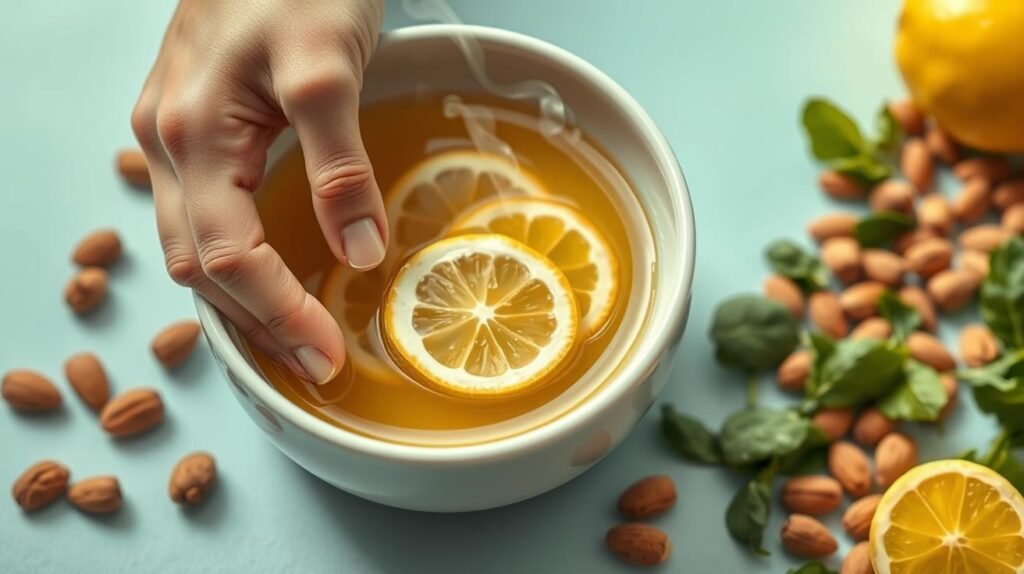
Topical applications deliver targeted relief. One actionable tip: Mix olive oil with lemon juice (1:1 ratio) and soak nails for 10 minutes nightly. The oil moisturizes, while lemon’s vitamin C brightens and strengthens—apply 3-4 times a week for best results. Another tip: Create a garlic paste by crushing a clove and rubbing it on nails for 5 minutes before rinsing; allicin in garlic has antifungal properties and boosts circulation for faster growth.
For cuticles, use a beeswax and shea butter balm. Melt 1 tablespoon each, add vitamin E oil, and store in a tin. Massage into cuticles daily to soften and protect. These remedies are gentle and cost-effective, drawing from traditional practices validated by modern research on natural antimicrobials.
Warning: Common Mistake to Avoid – Many women overdo buffing damaged nails in hopes of smoothing them, but this thins the nail further and removes protective layers. Limit buffing to once a month with a soft tool, and always follow with a moisturizer.
Building a Daily Nail Care Routine
A consistent routine turns sporadic efforts into lasting results. Dedicate 5-10 minutes morning and night to your nails, treating them like an extension of your skincare regimen. This holistic approach not only heals damage but prevents future issues from everyday wear.
Morning Protection Steps
Start your day by filing nails gently into a rounded shape using a glass file—avoid metal ones that snag. Apply a base coat of natural cuticle oil, like jojoba, to lock in moisture. This simple step, done daily, can reduce breakage by 40% according to nail experts. Wear gloves for chores involving water or chemicals; even short exposures dry out nails. Actionable tip: Choose breathable gloves with cotton lining to avoid clamminess.
Incorporate hand lotion post-wash, focusing on nails and cuticles. Opt for fragrance-free formulas with hyaluronic acid for deep hydration. If typing or manual work is part of your routine, take breaks to flex fingers and apply oil, preventing pressure-induced splits.
Evening Recovery Ritual
Wind down with a nourishing soak: Warm water infused with green tea (rich in antioxidants) for 5 minutes, followed by a gentle massage with coconut oil. This boosts blood flow to the nail matrix, accelerating growth. Actionable tip: Use a soft toothbrush to exfoliate cuticles weekly, removing dead skin without pushing them back, which can lead to infections.
Track your timeline: Week 1-2, expect reduced dryness; by month 1, new growth should feel firmer; full recovery in 2-3 months with adherence. Adjust based on severity— if nails are extremely thin, pair with a dermatologist-recommended strengthener from Unnail.
For long-term success, avoid picking at nails and trim regularly to maintain even edges. Integrate these habits seamlessly, and your nails will thank you with natural beauty and strength.

Conclusion
Healing damaged nails after artificial enhancements is a rewarding process that restores not just your nails but your confidence in natural beauty. By understanding the damage, adopting nutrient-focused strengthening methods, and committing to a simple daily routine, you can achieve resilient, healthy nails. Remember the actionable tips: olive-lemon soaks, biotin-rich eating, and protective gloving. Steer clear of over-buffing, and stay patient—improvements unfold over weeks to months.
At Unnail, we’re here to support your journey every step. For personalized advice tailored to your nail type and damage level, why not take our free nail health quiz? It’s quick, insightful, and the perfect starting point.