Recover Damaged Nails After Gels & Acrylics
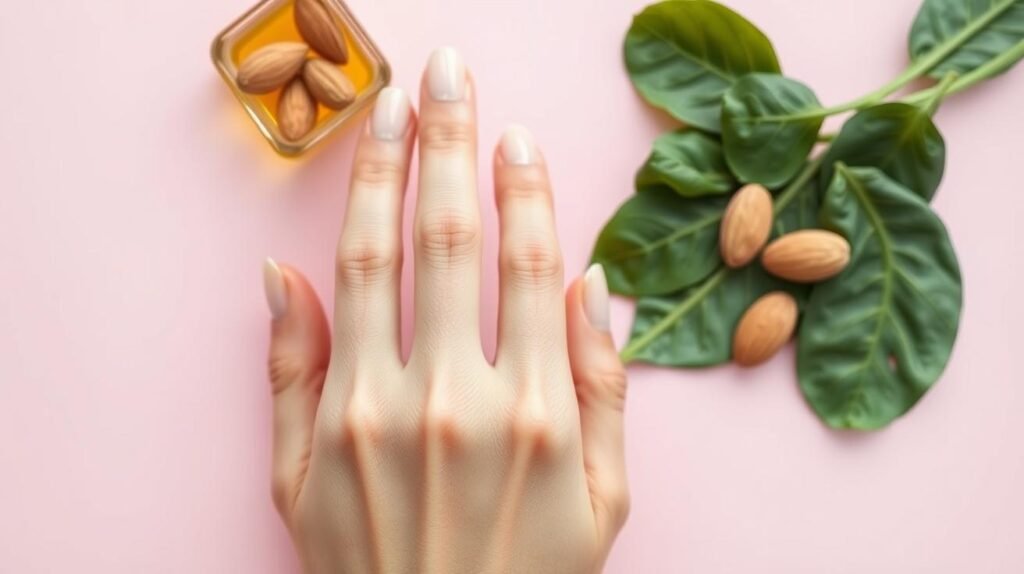
Key Features
- Understanding common causes of nail damage from enhancements
- Step-by-step natural recovery routines for healthier nails
- Essential nutrition tips to boost nail strength from within
- Warnings on pitfalls to avoid during your healing journey
- Realistic timelines for visible nail improvements
Have you ever peeled off your acrylics or soaked off a set of gels, only to reveal thin, brittle, or peeling natural nails underneath? You’re not alone. Millions of women turn to nail enhancements like gels, acrylics, and press-ons for instant beauty, but the aftermath can leave nails weak, discolored, and prone to breakage. At Unnail, we specialize in guiding women back to vibrant, healthy natural nails without harsh chemicals or endless salon visits. This comprehensive guide dives into the science behind nail damage, practical recovery strategies, and long-term strengthening tips tailored for busy lifestyles.
Understanding the root causes is the first step. Artificial enhancements often trap moisture, leading to fungal issues, or cause mechanical stress that thins the nail plate. Over time, this can result in ridges, splits, and even nail bed separation. But the good news? With consistent care, your nails can regenerate fully, as they grow about 3mm per month. We’ll explore gentle removal methods, nourishing routines, and dietary tweaks that support keratin production—the protein that makes nails tough.
Whether you’re a first-time remover or a serial enhancer, this article empowers you with actionable advice. From DIY oil soaks to supplement recommendations, expect to learn how to protect cuticles, hydrate nail beds, and prevent future damage. By prioritizing natural healing, you’ll not only repair what’s broken but also build resilience for nails that shine on their own. Ready to reclaim your natural beauty? Let’s get started on your journey to stronger, happier nails. (178 words)
Understanding Nail Damage from Gels, Acrylics, and Press-Ons
When you apply gels, acrylics, or press-ons, they might look flawless, but beneath the surface, your natural nails are under siege. Gels, cured with UV light, can make nails brittle by dehydrating them and increasing porosity, allowing chemicals to seep in. Acrylics, a mix of liquid monomer and powder, create a hard shell that often leads to lifting and tearing when removed improperly. Press-ons, while temporary, use adhesives that weaken the nail plate if left on too long.
The damage manifests in various ways: yellowing from staining pigments, thinning from filing during application, or infections from trapped bacteria. According to dermatologists, repeated enhancements disrupt the nail’s natural growth cycle, pushing back the lunula (the white half-moon) and causing ridges. If you’ve noticed your nails splitting or peeling easily, it’s a sign the protective layers have been compromised.
The Science of Nail Structure
Nails are made of keratin, a tough protein produced by the nail matrix at the base. Enhancements can inflame this area, slowing growth and leading to uneven texture. Moisture imbalance is key—over-dried nails become fragile, while over-moisturized ones soften and split. To reverse this, focus on restoring balance with humectants like hyaluronic acid found in natural serums. For more on nail anatomy, learn more about nail care basics.
Prevention starts with choosing breathable options, but if damage is done, early intervention is crucial. Signs like white spots (leukonychia) or onycholysis (nail lifting) signal it’s time to pause enhancements and begin repair.
Your Step-by-Step Recovery Plan
Healing damaged nails requires patience and a structured approach. Begin by gently removing any remnants—avoid acetone soaks longer than 10 minutes to prevent further drying. Instead, use a non-acetone remover followed by a moisturizing base coat. Once clean, establish a daily routine centered on hydration and protection.
Actionable Tip 1: Daily Oil Massage
One of the simplest yet most effective ways to nourish nails is a nightly oil massage. Warm jojoba or argan oil in your hands and gently rub it into cuticles and nail beds for 5 minutes. This boosts circulation, delivering nutrients to the matrix. Do this consistently for two weeks, and you’ll notice reduced brittleness. Pro tip: Add a drop of vitamin E for antioxidant protection.
Actionable Tip 2: Protective Barrier Routine
Apply a strengthening base coat every morning, opting for formulas with keratin or calcium. Wear gloves during chores to shield nails from water and detergents, which exacerbate weakness. This barrier not only protects but also encourages even growth. For product recommendations, check out our guides on essential nail tools and products.
Actionable Tip 3: Weekly Exfoliation and Buffing
Gently buff the surface with a fine-grit buffer once a week to smooth ridges without thinning. Follow with a hydrating mask made from aloe vera and honey—apply for 15 minutes, then rinse. This exfoliates dead cells and infuses moisture, promoting a healthy sheen. Always buff in one direction to avoid micro-tears.
Incorporate these into your routine, and track progress with weekly photos. Remember, consistency trumps intensity; overdoing treatments can irritate sensitive cuticles.
Nutrition and Lifestyle for Stronger Nails
While topical care is vital, true strength comes from within. Nails reflect your overall health, so addressing diet and habits is non-negotiable for recovery.
Key Nutrients for Nail Health
Biotin (vitamin B7) is a superstar for thickening nails—aim for 30mcg daily from eggs, nuts, or supplements. Protein-rich foods like salmon and lentils supply amino acids for keratin. Iron deficiency can cause spoon-shaped nails, so include spinach and lean meats. Omega-3s from flaxseeds combat inflammation, reducing peeling.
Hydration is often overlooked; drink 8 glasses of water daily to keep nails flexible. Stress management matters too—cortisol spikes weaken growth, so practice yoga or meditation. For deeper insights into nutrition’s role, explore our health and nutrition articles.
Lifestyle Adjustments
Limit exposure to harsh environments: cold weather dries nails, so use a humidifier indoors. Quit nail-biting or picking, habits that worsen damage. If you smoke, consider cutting back, as it impairs circulation to extremities. Sleep 7-9 hours nightly to support cellular repair—your nails regenerate best during rest.
Combining these with your topical plan amplifies results. Women who’ve followed similar regimens report nails growing stronger within a month, with full recovery in 3-6 months as old growth pushes out.
Common Mistakes and Timeline Expectations
Embarking on nail recovery? Steer clear of pitfalls to avoid setbacks. A common mistake is rushing back to enhancements—give your nails at least 3 months to heal fully before considering them again. Another error is using undiluted essential oils, which can burn cuticles; always mix with a carrier oil. Skipping sunscreen on hands during UV gel removal? This leads to premature aging and further weakening.
Warning: Over-buffing or aggressive filing thins nails irreversibly, so consult a professional if unsure. Harsh removers strip natural oils, prolonging dryness—opt for gentle alternatives every time.
As for timelines, expect initial improvements in 2-4 weeks: less peeling and better hydration. By 6-8 weeks, new growth should appear stronger, with reduced ridges. Full recovery, where nails reach fingertips without breakage, takes 3-6 months, depending on damage severity and consistency. Factors like age and genetics play a role—older nails grow slower. Track with a journal, and if no progress after 8 weeks, see a dermatologist to rule out underlying issues like thyroid problems.
Patience is key; rushing leads to frustration. Celebrate small wins, like nails holding polish without chipping. For personalized timelines, discover more on prevention and protection.

Conclusion
Recovering natural nails after gels, acrylics, and press-ons is a rewarding journey that restores not just your nails, but your confidence in their natural beauty. By understanding the damage, following a gentle recovery plan, fueling with nutrient-rich foods, and avoiding common errors, you’ll build resilient nails that thrive without enhancements. Remember, timelines vary, but with 2-4 weeks for early signs and 3-6 months for full strength, consistency pays off.
Embrace this as an opportunity for self-care—your nails will thank you with luster and toughness. Ready to assess your nail health and get tailored advice? Take Unnail’s free 2-minute nail recovery quiz today to uncover your personalized path forward.