Natural Nail Recovery: Guide to Stronger Nails
Key Features
- Expert strategies for repairing damaged nails
- Step-by-step natural nail strengthening routines
- Critical mistakes to avoid during recovery
- Realistic timeline expectations for healthy growth
- Nutritional and lifestyle tips for optimal nail health
Welcome to Unnail, your trusted resource for nurturing your natural nails back to their glorious best. If you’ve recently removed gels, acrylics, or even persistent press-ons, you’re likely facing nails that feel thin, brittle, peeling, or weak. It’s a common experience, but not one you have to endure forever. The good news? Your natural nails have an incredible capacity for healing and regeneration. This comprehensive guide is designed to empower you with the knowledge, tips, and routines needed to transform your damaged nails into strong, beautiful, and resilient works of art – naturally. We’ll walk you through understanding the damage, implementing effective care, and setting realistic expectations for your healing journey. Let’s embark on this path to rediscover the inherent strength and beauty of your natural nails, step by step.
Understanding the Damage & Starting Your Recovery Journey
The allure of gel, acrylic, and press-on nails is undeniable – they offer instant length, strength, and intricate designs. However, the process of application, wear, and especially removal, can take a significant toll on your natural nail plate. From aggressive filing and chemical exposure to improper removal techniques, these factors strip away vital layers of your nail, leaving them vulnerable and compromised. Recognizing the signs of damage is the first step towards recovery. Look for peeling, brittleness, white spots, ridges, discoloration, or a general feeling of weakness and soreness.
What Happens When Nails Get Damaged?
Your nail plate is composed of layers of keratin. When these layers are compromised, either through excessive buffing, chemical dehydration, or trauma from enhancements, the nail loses its structural integrity. This can lead to:
- **Thinning:** The nail plate becomes noticeably thinner, making it flexible and prone to bending and breaking.
- **Peeling/Splitting:** The layers of the nail separate, often starting at the free edge and moving inward.
- **Brittleness:** Nails become dry and snap easily, rather than bending.
- **Weakness:** A general lack of strength, making everyday tasks challenging without fear of breakage.
- **Discoloration:** Yellowing or white spots can appear due to product residue, trauma, or infection.
The crucial first step in any recovery journey is to completely sever ties with the source of the damage. This means no more gels, no more acrylics, no more press-ons. Give your nails a chance to breathe and heal. This is your “Nail Reset” phase. It requires patience and a commitment to nurturing. For a deeper dive into why your nails are struggling, visit Unnail.com.
Essential Daily Care for Healing Nails
Once you’ve committed to a clean slate, a consistent daily care routine is paramount. Think of it like skincare, but for your nails. The goal is to rehydrate, protect, and strengthen the new growth.
Moisture, Moisture, Moisture!
Hydration is the single most important factor in nail recovery. Damaged nails are often severely dehydrated. Just like skin, nails need moisture to remain flexible and strong.
Actionable Tip 1: The Cuticle Oil Ritual
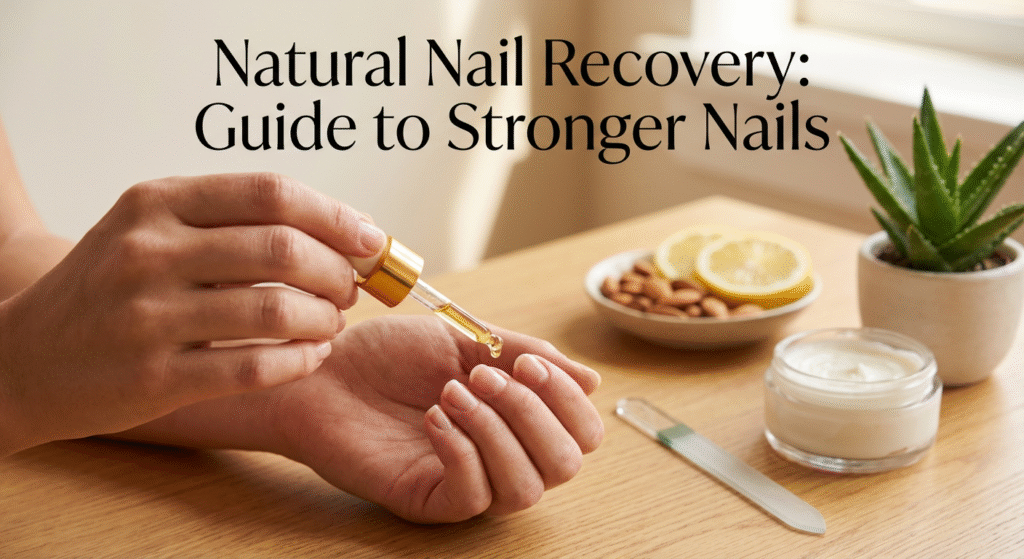
Invest in a high-quality cuticle oil (jojoba oil, almond oil, or a specialized nail oil blend are excellent choices). Apply it generously to your cuticles and the entire nail plate at least 3-5 times a day, especially after washing your hands. Gently massage it in to stimulate blood flow and aid absorption. This simple act nourishes the nail matrix (where your nail grows from) and keeps the existing nail plate supple, reducing peeling and breakage. You can find more recommendations on effective oils at Unnail.com.
Gentle Cleansing and Protection
While healing, your nails are extremely fragile. Treat them with the utmost care.
- **Avoid Harsh Chemicals:** Wear gloves when doing dishes, cleaning, or gardening. Exposure to detergents and strong chemicals can strip away natural oils and further dehydrate your nails.
- **Pat Dry, Don’t Rub:** After washing hands, gently pat your nails dry. Excess moisture can weaken nails, so ensure they are thoroughly dry.
- **Avoid Prolonged Water Exposure:** Limit long soaks in the bath or shower if your nails are severely compromised.
Actionable Tip 2: DIY Hydrating Nail Soak
Once or twice a week, treat your nails to a hydrating soak. Mix 1 tablespoon of olive oil with a few drops of lemon juice (for brightening) and warm water in a small bowl. Soak your fingertips for 10-15 minutes. The olive oil deeply moisturizes, while the gentle warmth helps the oil penetrate. Follow up with a good cuticle oil application.
Beyond the Basics: Nutrition, Tools, and Patience
While topical care is vital, true nail strength comes from within. Your diet plays a significant role in how healthy and strong your nails grow.
Fueling Healthy Growth from Within
- **Biotin:** Often touted as a nail super-supplement, biotin (Vitamin B7) can support nail strength. Consult your doctor before starting any new supplements.
- **Protein:** Nails are made of keratin, a protein. Ensure your diet is rich in lean proteins like chicken, fish, eggs, and legumes.
- **Omega-3 Fatty Acids:** Found in salmon, flaxseeds, and walnuts, these healthy fats can help keep nails moisturized and reduce brittleness.
- **Vitamins & Minerals:** Zinc, iron, and Vitamins A, C, and E are all crucial for overall nail health.
Explore our nutrition guides for stronger nails at Unnail.com.
The Right Tools for the Job
The tools you use can either aid or hinder your recovery. Ditch harsh metal files and opt for gentler alternatives.
- **Glass Nail Files:** These are superior for damaged nails. They seal the keratin layers as you file, preventing further splitting and peeling, unlike emery boards which can fray the nail.
- **Buffing:** Avoid aggressive buffing. A very gentle, occasional buff with a fine-grit buffer can smooth out minor ridges, but over-buffing will thin the nail further.
- **Non-Toxic Polishes:** If you choose to wear polish, opt for “5-free,” “7-free,” or “10-free” formulations that are free from harsh chemicals like formaldehyde, toluene, and DBP. Always use a good base coat to protect your nail plate.
Actionable Tip 3: Gentle Filing Technique
When filing, always move the glass file in one direction, not a back-and-forth “sawing” motion. This helps to seal the nail edge and prevent tearing. File in a gentle curve or straight edge, avoiding sharp corners that can snag and break easily. Keep your nails trimmed short during the initial recovery phase to minimize the chance of breakage.
Timeline for Natural Nail Recovery
Patience is perhaps the most important ingredient in your nail recovery journey. Nails grow slowly, and it takes time for the damaged parts to grow out and be replaced by healthy new growth.
- **First 1-2 Months:** You’ll start to see new, healthier nail growth emerging from the cuticle area. The damaged parts will still be present on the free edge. Focus on diligent hydration and protection to prevent new growth from also becoming damaged.
- **Months 3-6:** The healthy nail should have grown out significantly, pushing the damaged parts further down. You might be able to trim away more of the compromised nail. Nails should feel noticeably stronger and less prone to peeling.
- **Months 6-12:** For most people, a full nail plate replacement takes about 4-6 months for fingernails and 12-18 months for toenails. By this point, your nails should be mostly, if not entirely, free of the original damage and significantly stronger.
Remember, everyone’s body is different, and the severity of damage varies. Consistency is key. Don’t get discouraged if you don’t see immediate results. Each day of proper care brings you closer to your goal.
Common Mistakes to Avoid on Your Healing Journey
While you’re working hard to heal your nails, it’s easy to fall into old habits or make new mistakes that can set back your progress. Be mindful of these pitfalls:
- **Picking at Peeling Nails:** It’s tempting to pick at peeling layers, but this only exacerbates the damage, removing more healthy nail plate. Instead, gently file the edge smooth with a glass file and apply cuticle oil.
- **Using Nails as Tools:** Avoid using your nails to open cans, scratch labels, or pry things. This puts immense stress on the nail plate and can cause breaks, chips, or further delamination.
- **Over-Filming or Buffing:** As mentioned, excessive filing or buffing thins the nail. Be gentle and use the right tools.
- **Ignoring Cuticle Care:** The cuticles protect the nail matrix from infection. Pushing them back too aggressively or cutting them can cause trauma and lead to unhealthy nail growth.
- **Skipping Base Coat:** If you decide to wear polish, a good base coat protects your natural nail from staining and provides an extra layer of protection.
- **Not Giving Them a Break:** While non-toxic polishes are better, it’s still beneficial to have “naked nail” days to allow your nails to breathe and receive direct nourishment from oils and creams.

Conclusion
Healing your nails after damage is a journey that requires commitment, patience, and the right approach. By understanding the damage, implementing a consistent routine of hydration and protection, nourishing your body from within, and using appropriate tools, you can absolutely restore your natural nails to a state of strength and beauty. Remember, every little step you take – from applying cuticle oil daily to wearing gloves for chores – contributes to your nails’ recovery. Embrace this process, celebrate small victories, and watch as your nails transform into the healthy, resilient masterpieces they were always meant to be. Ready to personalize your nail recovery plan?
Take our free 2-minute nail recovery quiz to get tailored advice for your unique nail needs and kickstart your journey to healthier nails today!