How to Recover Damaged Nails Naturally
Key Features
- Understanding damage from artificial nails
- Step-by-step natural recovery methods
- Nutritional tips for nail strength
- Actionable daily care routines
- Timeline and common mistakes to avoid
After years of relying on gels, acrylics, and press-on nails for that flawless look, many women find their natural nails brittle, thin, and prone to breaking. The damage isn’t just cosmetic—it’s a result of harsh chemicals, dehydration, and mechanical stress that weaken the nail bed over time. At Unnail, we’re passionate about empowering you to restore your nails’ health naturally, without more artificial fixes that could worsen the problem. This guide dives deep into the science of nail recovery, offering practical, evidence-based strategies tailored for busy women who want strong, beautiful natural nails.
Artificial nails may provide instant glamour, but they often mask underlying issues like ridges, peeling, and yellowing. The acetone soaks, UV exposure, and adhesive residues strip away natural oils, leaving nails dehydrated and fragile. Recovery isn’t overnight, but with consistent care, you can expect visible improvements in 4-6 weeks. We’ll cover everything from gentle removal techniques to nourishing routines that rebuild keratin, the protein that forms your nails. Whether you’re dealing with post-acrylic fallout or gel-induced brittleness, these tips will help you break the cycle and embrace your natural nails. For more personalized advice, explore resources on our site to learn more about nail care. Join thousands of women who’ve transformed their nail health—your journey to resilient, vibrant nails starts here.
Understanding Nail Damage from Gels, Acrylics, and Press-Ons
Before embarking on recovery, it’s essential to grasp why your nails are suffering. Gels and acrylics require filing down the natural nail surface, which thins the nail plate and exposes it to infections. Press-ons, while less invasive, use strong adhesives that can lift the nail bed if not removed properly, leading to onycholysis—a separation of the nail from the bed. According to dermatological studies, up to 40% of women experience nail trauma from these enhancements, with symptoms including splitting, white spots, and slow growth.
The root cause? Dehydration and nutrient depletion. Harsh removers like acetone dissolve protective oils, while the weight of artificial layers stresses the nail matrix, where growth originates. Over time, this creates a vicious cycle: damaged nails prompt more enhancements to hide flaws, exacerbating the issue. A common misconception is that short breaks suffice, but true healing demands a holistic approach. Signs of severe damage include nails that bend easily or fail to grow beyond the tips. If you’re noticing these, it’s time to pause and prioritize repair. For deeper insights into nail anatomy, check out educational articles on Unnail’s resources.
Assessing Your Nail Damage
Start by examining your nails under good light. Look for brittleness (they snap instead of flex), ridges (vertical lines indicating stress), or discoloration. Mild damage might show as dullness, while severe cases involve peeling layers. Document your baseline with photos to track progress—many see smoother surfaces in 2-4 weeks with proper care. Remember, patience is key; rushing back to enhancements can undo months of effort.
Step-by-Step Recovery Plan
Healing your nails requires a structured routine that focuses on hydration, protection, and gentle reinforcement. Begin by safely removing any remaining artificial layers. Soak in oil-based removers instead of acetone to minimize further drying—aim for 10-15 minutes per session. Once bare, buff lightly with a soft file to smooth edges, avoiding aggressive sanding that could thin them more.
Actionable Tip 1: Daily Moisturizing Routine
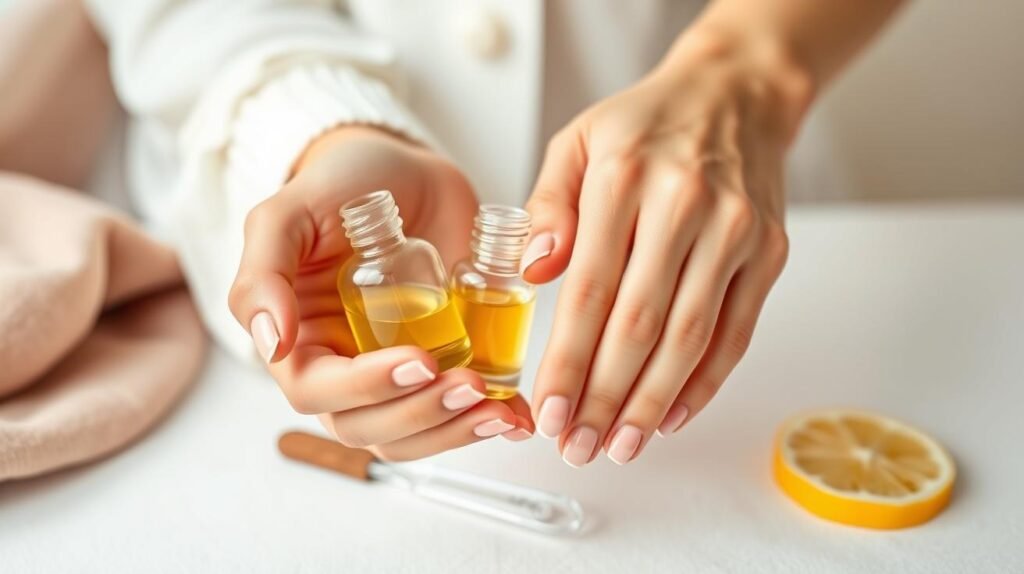
Moisturize twice daily with cuticle oils rich in jojoba or vitamin E. Massage into the nail bed and surrounding skin for 2-3 minutes to boost circulation. This simple step replenishes lost moisture and strengthens the barrier against breakage. Products with natural ingredients like almond oil work wonders; apply after washing hands to lock in hydration.
Actionable Tip 2: Protective Barriers and Filing Techniques
Apply a strengthening base coat with keratin or calcium every other day, but skip traditional polishes initially to let nails breathe. File nails in one direction from outer edge to center using a glass file—this prevents splitting. Keep nails short (under 1/4 inch) during recovery to reduce leverage on weak points. Wear gloves for chores to shield from water and chemicals, preserving your progress.
Actionable Tip 3: Weekly Deep Treatments
Once a week, indulge in a paraffin wax dip or olive oil soak for 20 minutes. These thermal treatments penetrate deeply, repairing micro-cracks. Follow with a silk wrap if ridges are prominent, but consult a professional for application to avoid adhesives. Consistency here can accelerate growth by up to 20%, turning fragile nails into flexible ones.
Timeline expectations: In the first 2 weeks, expect reduced brittleness and healthier cuticles. By month one, growth should be even, with fewer breaks. Full strength—nails that handle daily life without chipping—often takes 3-6 months, depending on initial damage. Track weekly to stay motivated.
A Warning on Common Mistakes
One major pitfall is over-filing or using metal tools, which can create micro-tears leading to infections. Another is neglecting hand hygiene; dirty tools harbor bacteria that worsen damage. Always sterilize files and avoid sharing—prevention is simpler than treating infections that could set back recovery by weeks. For safe tool recommendations, visit Unnail’s product guides.
Nutrition and Lifestyle Support
Topical care is only half the battle; internal nutrition fuels nail regeneration. Nails grow about 3mm per month, primarily from keratin derived from proteins and minerals. Deficiencies in biotin, iron, or zinc—common in restrictive diets—slow this process and weaken structure. Incorporate biotin-rich foods like eggs, nuts, and salmon; aim for 30mcg daily through diet before supplements, as excess can cause breakouts.
Hydration is crucial—dehydrated bodies mean dehydrated nails. Drink 8 glasses of water daily and include omega-3s from fish or flaxseeds to combat inflammation from past UV exposure. Stress management plays a role too; cortisol spikes hinder growth, so incorporate yoga or meditation. Lifestyle tweaks like quitting smoking (nicotine restricts blood flow to nails) can enhance results dramatically.
Supplements and Diet Hacks
If diet falls short, consider a nail-specific multivitamin with 2,500mcg biotin, but consult a doctor first, especially if pregnant. Pair with collagen peptides in smoothies for elasticity. Avoid crash diets; steady protein intake (60g daily) supports steady growth. Women post-enhancements often report thicker nails after 8 weeks of balanced eating—proof that inside-out care works.
For holistic approaches, explore Unnail’s wellness tips, including seasonal adjustments like extra vitamin C in winter to fight dryness. Combine these with your routine for synergistic effects, transforming not just nails but overall hand health.

Conclusion
Recovering from gel, acrylic, and press-on damage is a rewarding journey toward resilient natural nails. By understanding the causes, following a diligent recovery plan with moisturizing, protection, and nutrition, you’ll see tangible improvements—smoother, stronger nails that grow confidently. Avoid pitfalls like over-filing, stay consistent with timelines of 4-6 weeks for initial gains, and nourish from within for lasting results. You’ve got this; your natural beauty shines brightest unenhanced.
Ready to personalize your path? Take Unnail’s free nail health quiz today for tailored recovery advice. Take our free 2-minute nail recovery quiz