Natural Nail Recovery: Your Guide to Strong, Healthy Nails
Key Features for Natural Nail Recovery
- Identify and understand common nail damage.
- Discover essential products for a successful recovery journey.
- Learn a step-by-step routine for daily and weekly nail care.
- Uncover nutrition and lifestyle habits for stronger, healthier nails.
- Set realistic timeline expectations for your nail healing process.
Are your nails feeling brittle, peeling, or weak after saying goodbye to gels, acrylics, or even your favorite press-ons? You’re not alone. Many women experience significant nail damage, leaving them feeling frustrated and unsure of how to get their natural nails back to their former glory. The good news is that healing and strengthening your nails is entirely possible with the right knowledge, care, and patience. At Unnail, we understand the unique challenges of post-enhancement nail recovery and are here to guide you every step of the way.
This comprehensive guide will walk you through everything you need to know to nurse your damaged nails back to health. From understanding the root causes of damage to building an effective daily care routine, incorporating vital nutrition, and knowing what pitfalls to avoid, you’ll gain the tools and confidence to achieve strong, resilient, and naturally beautiful nails. Get ready to embark on your nail recovery journey and reclaim your natural nail health!
Understanding the Damage: Why Your Nails Need TLC
Before we dive into solutions, it’s important to understand what happens to your nails when they’re subjected to gels, acrylics, and even frequent press-on applications. While these enhancements offer temporary beauty, they can take a toll on your natural nail plate. The common culprits behind damage include:
- Chemical Exposure: The harsh chemicals in primers, adhesives, and especially acetone-based removers can strip your nails of their natural moisture, leading to dehydration, brittleness, and peeling.
- Improper Application & Removal: Aggressive filing, improper lifting of enhancements, or peeling off gels and acrylics can physically tear layers of your natural nail plate, making them thin, weak, and prone to breakage.
- Lack of Oxygen: Continuously covering your nails can, over time, hinder their natural breathing process, though nails themselves don’t “breathe” in the traditional sense, the lack of exposure to air and proper moisture can contribute to a weakened state, especially under prolonged, heavy enhancements.
- Trauma: Even minor bumps and knocks can cause greater damage to already weakened nails, leading to splits and chips.
Recognizing these issues is the first step toward effective recovery. Your nails are signaling for help, and with the right approach, you can restore their vitality. Learn more about identifying nail damage types on our website.
Essential Products for Your Nail Recovery Kit
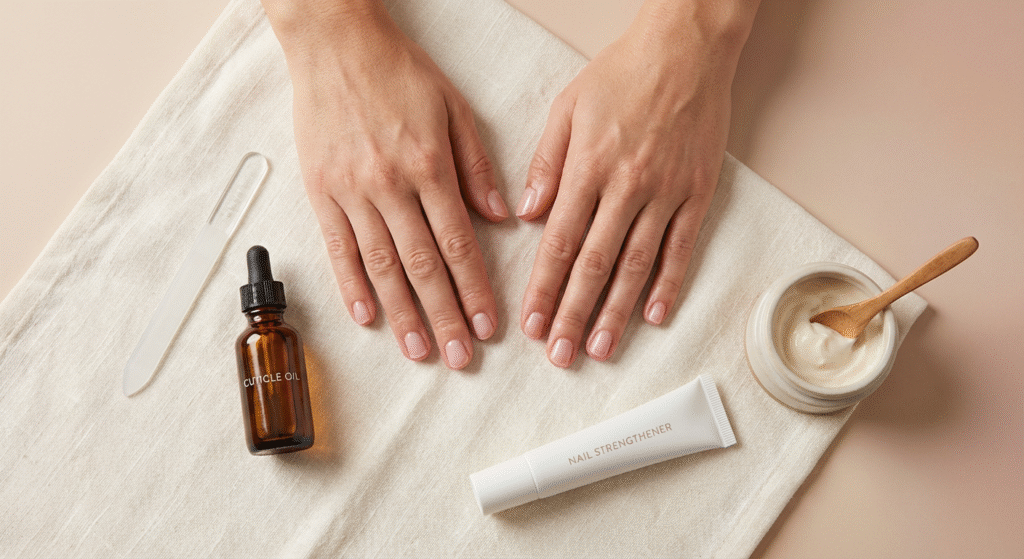
Building a dedicated nail recovery kit is crucial. Think of it as a first-aid kit specifically designed for your nails. Here are the must-have items:
Nail Strengtheners & Hardener (Approach with Caution)
While often recommended, it’s vital to choose wisely. Look for formaldehyde-free strengtheners that focus on hydration and flexibility rather than just hardening. Nails that are too hard can become brittle and snap. Instead, opt for products with ingredients like keratin, biotin, or calcium to support healthy growth. Some excellent options focus on bonding and protecting without excessive hardening.
High-Quality Cuticle Oil or Balm
This is arguably the most important product in your arsenal. Cuticle oil deeply moisturizes the nail matrix (where your nail grows from) and the surrounding skin. Hydrated cuticles lead to healthier, more flexible nails. Apply it multiple times a day. We recommend formulas rich in jojoba, almond, vitamin E, and argan oils.
Acetone-Free Nail Polish Remover
Traditional acetone removers are extremely drying. Switch to an acetone-free formula, even if it takes a little longer to remove polish. This will prevent further dehydration and damage.
Gentle Nail File (Glass or Crystal)
Ditch abrasive emery boards that can fray and split delicate nails. A glass or crystal file seals the edge of the nail as you file, preventing snags and further damage. Always file in one direction, not a back-and-forth sawing motion.
Moisturizing Hand Cream
Just like your face, your hands and nails benefit from consistent hydration. Keep a rich hand cream by your sink and apply it after every wash to lock in moisture.
Nail Buffing Block (Use Sparingly)
A very fine grit buffing block can gently smooth out ridges or peeling areas, but use it with extreme caution and only once every few weeks at most. Over-buffing thins the nail plate.
Actionable Tip 1: Prioritize Cuticle Care. Invest in the best cuticle oil you can find and commit to applying it at least twice a day, especially after washing your hands and before bed. Consistent hydration around the nail matrix is key to promoting healthy new nail growth.
Crafting Your Daily Nail Recovery Routine
Consistency is key to seeing results. A structured routine ensures your nails get the attention they need. Here’s a sample routine you can adapt:
Morning Routine
- Hydrate: Apply a drop of cuticle oil to each nail and gently massage it into the cuticle area and nail plate.
- Protect: Follow with a good quality hand cream, massaging it into your hands, fingers, and nails.
Daytime Maintenance
- Re-oil: Reapply cuticle oil throughout the day, especially after washing your hands or if your hands feel dry. Keep a small bottle in your purse or at your desk.
- Avoid Harshness: Wear gloves when doing dishes, cleaning with chemicals, or gardening.
Evening Routine
- Cleanse: Gently wash your hands.
- File (if needed): If you have a snag or chip, use your glass file to gently smooth it in one direction.
- Deep Hydration: Apply a more generous amount of cuticle oil and hand cream, allowing it to soak in overnight. You might even consider wearing cotton gloves after applying a thick layer of cream for an intensive overnight treatment.
Weekly Routine
- Gentle Cleanse: Remove any old nail polish with an acetone-free remover.
- Soak (Optional): A short 5-10 minute soak in warm water with a few drops of olive oil can be beneficial, followed by pushing back cuticles gently with a wooden or silicone pusher (never cut them!).
- Strengthener/Treatment: Apply a layer of your chosen formaldehyde-free nail strengthener or treatment as per product instructions.
- Moisturize: Finish with a thorough application of cuticle oil and hand cream.
Actionable Tip 2: Stick to a Filing Schedule. File your nails once a week, or as needed, to maintain a consistent length and shape. Keeping them shorter during recovery minimizes the leverage for breakage and splitting. Remember to use a gentle glass file and file in one direction.
Nutrition & Lifestyle: Fueling Nail Health from Within
Beautiful nails aren’t just about what you put on them, but what you put in your body. Your nails are a reflection of your overall health.
Key Nutrients for Nail Health
- Biotin: Often lauded as the “hair and nail vitamin,” biotin (Vitamin B7) is essential for cell growth and metabolizing protein-building amino acids. Find it in eggs, nuts, whole grains, and sweet potatoes.
- Protein: Nails are primarily made of keratin, a protein. Ensure you’re getting enough lean protein from sources like chicken, fish, beans, lentils, and dairy.
- Iron: Iron deficiency can lead to brittle nails that may even appear spoon-shaped. Red meat, spinach, beans, and fortified cereals are great sources.
- Zinc: This mineral plays a role in cell growth and division. Oysters, beef, pumpkin seeds, and legumes are good sources.
- Omega-3 Fatty Acids: Found in fatty fish (salmon, mackerel), flaxseeds, and walnuts, omega-3s help moisturize and reduce inflammation, contributing to overall nail health.
- Vitamin C: Essential for collagen production, which gives strength and integrity to your nails. Citrus fruits, berries, and bell peppers are packed with Vitamin C.
Hydration
Drinking plenty of water is vital for skin and nail health. Dehydration can lead to brittle nails, just as it leads to dry skin. Aim for at least 8 glasses a day.
Protection
Beyond wearing gloves for chores, be mindful of how you use your nails. Avoid using them as tools to open cans or scratch stickers. Treat them gently!
Stress Management
High stress levels can impact overall health, including nail growth. Practices like meditation, yoga, or even a relaxing bath can contribute to healthier nails.
Actionable Tip 3: Boost Your Biotin Intake Naturally. Incorporate biotin-rich foods like eggs, almonds, and avocados into your daily diet. While supplements can help, getting nutrients from whole foods is always preferable for comprehensive benefits. You can learn more about a nail-healthy diet at Unnail.com.
Common Mistakes to Avoid During Nail Recovery
While you’re diligently working to heal your nails, it’s equally important to know what NOT to do. Avoiding these common mistakes will prevent setbacks:
- Picking or Peeling Nail Polish/Enhancements: This is perhaps the biggest culprit of damage. Peeling off gel polish or acrylics rips off layers of your natural nail, making them extremely thin and weak. Even if it’s tempting, resist the urge!
- Using Your Nails as Tools: Opening soda cans, scratching off labels, or prying things open puts immense stress on your nail tips, leading to breakage and splitting, especially when nails are already compromised.
- Over-Buffing: While a gentle buff can smooth out minor imperfections, excessive or aggressive buffing thins the nail plate, making it weaker and more susceptible to damage. Use a fine grit buffer sparingly.
- Ignoring Your Cuticles: Your cuticles are the natural protective barrier for your nail matrix. Pushing them back too aggressively or cutting them can introduce bacteria and hinder healthy nail growth. Focus on moisturizing them instead.
- Exposure to Harsh Chemicals Without Protection: Cleaning products, strong soaps, and even prolonged exposure to water can strip natural oils from your nails and skin. Always wear gloves!
- Not Giving Your Nails a Break: While recovering, it’s best to avoid applying new gel, acrylic, or even regular polish frequently. Let your nails breathe and heal. If you must wear polish, choose “5-free” or “7-free” options and give them short breaks between applications.
Warning: Do NOT pick or peel. This is the most damaging habit for natural nails. When you peel off old polish or enhancements, you are literally pulling off layers of your nail plate. This leads to severe thinning, brittleness, and an extended recovery period. If you have polish to remove, always use an acetone-free remover and patience.
What to Expect: Your Nail Recovery Timeline
Healing takes time, and nail growth is a slow process. Patience is crucial on your recovery journey.
- Immediate Improvement (Weeks 1-4): You’ll likely notice an improvement in the overall hydration of your cuticles and surrounding skin. New growth from the nail matrix will start to appear healthier. You might still have visible damage on the free edge of your nails, but the base will begin to look better.
- Noticeable Change (Months 1-3): As your nails continue to grow, you’ll see less of the damaged nail plate and more of the new, healthy nail. Breakage should decrease. You’ll likely need to trim down the remaining damaged areas as the healthy nail grows out. A full fingernail takes approximately 3 to 6 months to grow from base to tip.
- Full Recovery (Months 4-6+): By this point, most of the old, damaged nail will have grown out and been trimmed away, revealing a strong, healthy nail plate. Consistency in your routine is key to maintaining this new strength. Toenails grow slower, taking 12-18 months for a full replacement.
Remember, everyone’s nails heal at different rates depending on the extent of the damage, individual biology, and adherence to the recovery plan. Stay consistent, celebrate small victories, and trust the process. Your dedication will pay off with beautiful, resilient natural nails.

Conclusion
Reclaiming your natural nail health after damage is a journey that requires dedication, the right products, and consistent care. By understanding the causes of damage, implementing a nourishing routine, prioritizing essential nutrients, and avoiding common pitfalls, you are well on your way to strong, beautiful, and resilient natural nails. Remember, patience is your best friend as your nails regenerate. Each healthy new growth is a testament to your commitment!
Ready to get a personalized plan for your unique nail challenges? Take the first step towards lasting nail health. Take our free 2-minute nail recovery quiz to discover your nail type and get tailored advice from Unnail.