Natural Nail Recovery After Acrylics
Key Features
- Step-by-step natural recovery plan post-acrylic damage
- Actionable tips for daily nail strengthening
- Nutrition insights to boost nail health from within
- Warnings on common pitfalls and realistic timelines
- DIY remedies using household ingredients
Have you ever peeled off your acrylic nails only to reveal thin, brittle, and yellowed natural nails underneath? You’re not alone. Millions of women love the instant glamour of gel polishes, acrylics, and press-ons, but the aftermath can be devastating. These artificial enhancements often weaken the nail bed, cause ridges, and lead to breakage, making it hard to embrace your natural nails with confidence. At Unnail, we specialize in helping you reverse this damage and rebuild stronger, healthier nails without harsh chemicals or salon visits.
This guide dives deep into the science of nail recovery, offering a compassionate roadmap tailored for busy women seeking sustainable results. We’ll explore why your nails suffer from these enhancements, provide a practical recovery plan with DIY remedies, and share nutrition secrets to nourish from the inside out. Expect to learn actionable strategies that fit into your daily routine, from gentle oil treatments to protective habits. By committing to consistent care, you can transform fragile nails into resilient ones that grow long and beautiful. Whether you’re just starting your nail detox or struggling with ongoing breakage, these expert-backed tips will empower you to prioritize your natural nail health. Let’s embark on this journey together—your stronger nails await.
Understanding Nail Damage from Artificial Enhancements
Artificial nail products like gels, acrylics, and press-ons promise beauty but often at a cost to your natural nails. Gels, cured under UV or LED lights, can cause photo-damage and dehydration, leading to thin, peeling layers. Acrylics, made from a mix of liquid monomer and powder polymer, create a hard shell that stresses the nail plate during application and removal—filing, soaking, and prying weaken the structure over time. Press-ons, while temporary, use strong adhesives that can lift the nail bed and introduce moisture, fostering fungal growth if not removed carefully.
The root issue is disruption to the nail’s natural growth cycle. Healthy nails grow from the matrix, a living tissue under the cuticle, at about 3mm per month. But enhancements block oxygen and moisture, causing the keratin proteins to become brittle. Signs of damage include white spots (leukonychia from trauma), ridges from repeated stress, and slow growth due to impaired blood flow. Studies from dermatology journals highlight that up to 70% of women experience nail thinning after prolonged use. Understanding this helps demystify the recovery process—it’s not about quick fixes but restoring balance to the nail ecosystem.
To start healing, give your nails a break from all enhancements. Trim them short to reduce weight and breakage risk, and gently buff the surface to remove residue without thinning further. For more on safe removal techniques, visit Unnail’s resources. Patience is key; rebuilding takes time, but with the right approach, your nails can regain their vitality.
Your Step-by-Step Recovery Plan
Embarking on a nail recovery journey requires a structured plan that combines external care with internal support. Begin by assessing your nails’ current state—note brittleness, discoloration, or cuticles distress—to track progress. The foundation of recovery is hydration and protection, so let’s break it down into daily, weekly, and monthly routines.
Daily Care Routine
Start each morning with a gentle cleanse using lukewarm water and a mild, sulfate-free soap. Pat dry and apply a nourishing cuticle oil, like one infused with jojoba or argan, massaging it into the nail bed for 2-3 minutes. This boosts circulation and softens cuticles, preventing tears that lead to infections. At night, slather on a thick layer of natural balm or shea butter to lock in moisture overnight. Wear cotton gloves for better absorption if possible.
Weekly Treatments
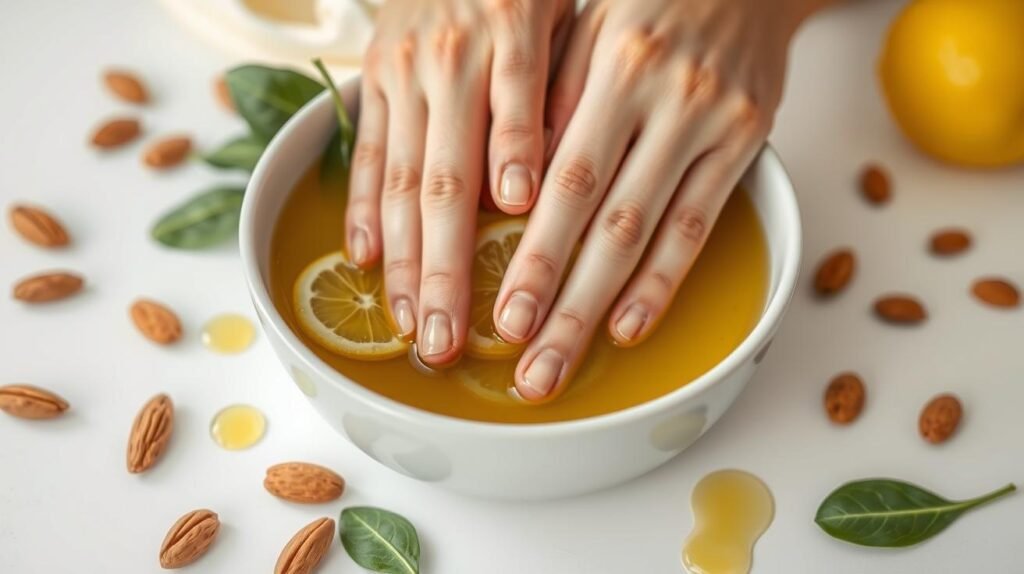
Once a week, indulge in a DIY soak to deeply penetrate the nail plate. Mix equal parts olive oil and lemon juice in a bowl— the vitamin C brightens while the oil hydrates. Soak for 10-15 minutes, then file gently with a glass or crystal file to shape without snagging. Follow with a strengthening base coat free of formaldehyde, toluene, or DBP. These toxins exacerbate damage, so opt for clean formulas available at Unnail.
Actionable Tip 1: The Almond Oil Massage
For an easy, effective boost, warm a teaspoon of sweet almond oil and massage it into each nail for five minutes daily. Almond oil’s fatty acids mimic the nail’s natural lipids, improving flexibility and reducing splitting. Do this while relaxing with a book—consistency yields smoother nails in 2-4 weeks.
Actionable Tip 2: Protective Gloves Habit
Household chores like dishwashing expose nails to water and chemicals, worsening fragility. Always wear rubber gloves lined with cotton during cleaning or gardening. This simple shield preserves your progress and prevents re-damage from detergents.
Actionable Tip 3: Biotin Supplement Integration
Incorporate a daily biotin supplement (2,500-5,000 mcg) with meals, but consult a doctor first, especially if pregnant. Biotin supports keratin production; pair it with zinc-rich foods for amplified effects. Track changes monthly to adjust dosage.
Throughout, avoid picking or biting—use a bitter-tasting nail polish if needed to break the habit. For product recommendations, explore Unnail’s tool guide.
Nutrition and Lifestyle for Stronger Nails
While topical care is crucial, true nail strength starts from within. Nails are 95% keratin, a protein built from amino acids, so a nutrient-deficient diet prolongs recovery. Focus on a balanced intake of vitamins and minerals that directly influence growth and resilience.
Protein is paramount—aim for 46-56 grams daily from sources like eggs, salmon, and lentils. Omega-3 fatty acids in fish oil reduce inflammation in the nail bed, promoting even growth. Vitamin E, found in nuts and spinach, acts as an antioxidant to protect against oxidative stress from UV exposure during past gel sessions. Iron deficiency often causes ridges and spoon-shaped nails; combat it with leafy greens and lean meats, or pair plant sources with vitamin C for better absorption.
Hydration plays a starring role too—drink at least 8 glasses of water daily to keep the nail matrix plump. Lifestyle factors matter: reduce stress through yoga or meditation, as cortisol spikes can slow growth. Get 7-9 hours of sleep nightly, when most cellular repair occurs. If you’re a smoker, quitting improves circulation to the fingertips, enhancing nutrient delivery.
For a quick win, try a nail-boosting smoothie: blend spinach, berries, yogurt, and flaxseeds weekly. This delivers biotin, silica, and antioxidants in one sip. Remember, supplements aren’t magic—whole foods provide synergistic benefits. Dive deeper into wellness routines at Unnail.
Common Mistakes and Recovery Timeline
Navigating nail recovery isn’t without hurdles. One major warning: Don’t rush back to enhancements too soon. Many women reapply polish or tips within a month, undoing progress and causing a vicious cycle of damage. Over-filing is another pitfall—aggressive buffing thins nails further, leading to permanent weakening. Also, skip acetone-based removers; they strip natural oils. Opt for non-acetone alternatives and limit manicures to every 3-4 weeks during recovery.
Timeline expectations vary by damage severity. In the first 2-4 weeks, expect reduced brittleness and healthier cuticles as hydration kicks in. By 1-3 months, you’ll notice smoother surfaces and faster growth (up to 4mm/month). Full recovery—strong, ridge-free, even-toned nails—takes 3-6 months for most, as nails fully renew every 6 months. Severe cases from years of acrylic use may extend to 9-12 months, but consistency accelerates results. Monitor with photos every two weeks.
If no improvement after 8 weeks, consult a dermatologist to rule out underlying issues like thyroid imbalances or psoriasis. Patience pays off—celebrate small wins like reduced breakage to stay motivated.

Conclusion
Recovering your natural nails after damage from gels, acrylics, and press-ons is a rewarding journey that restores not just your nails but your confidence in going au naturel. By understanding the causes, following a dedicated care plan with daily massages, weekly soaks, and protective habits, and fueling your body with nutrient-rich foods, you’ll see tangible improvements. Avoid common traps like over-filing or premature enhancements, and remember the timeline: steady progress over months leads to lasting strength. At Unnail, we’re here to support you every step—embrace this as an opportunity to nurture your nails holistically.
Ready to personalize your recovery? Take our free 2-minute nail health quiz to get tailored advice just for you.