Strengthen Weak Nails After Acrylics
Key Features
- Step-by-step natural recovery routines
- Actionable DIY tips for daily nail care
- Warnings on common pitfalls to avoid
- Realistic timeline for visible improvements
- Holistic advice for long-term nail health
Artificial nails like acrylics can be a fun way to experiment with styles, but they often leave your natural nails brittle, thin, and prone to breakage. If you’ve recently removed acrylics and are staring at weakened nails that chip at the slightest touch, you’re not alone. At Unnail, we specialize in guiding women toward restoring their natural nail health without relying on more enhancements. This comprehensive guide dives into the why behind the damage and offers practical, natural solutions to rebuild strength from the inside out.
Our approach emphasizes gentle care, nutrition, and patience—key elements for long-term recovery. Whether your nails are peeling, splitting, or just lackluster, you’ll find actionable strategies here to nurture them back to vitality. From understanding the science of nail damage to implementing daily rituals with household ingredients, we cover it all. By the end, you’ll have a clear plan to achieve stronger, more resilient nails that grow confidently. Remember, healing takes time, but with consistent effort, you can say goodbye to the cycle of damage and hello to naturally beautiful hands. Let’s embark on this journey together and empower your nails to thrive.
Understanding Nail Damage from Acrylics
Acrylic nails, while durable and glamorous, wreak havoc on your natural nail bed over time. The process involves filing down the surface of your nails to create a base for the acrylic overlay, which thins the nail plate and disrupts its natural structure. Additionally, the chemicals in acrylics—such as ethyl methacrylate—can penetrate the nail, causing dehydration and brittleness. When removed, often through aggressive soaking or peeling, further layers are stripped away, leaving nails vulnerable.
Common signs of damage include white spots, ridges, peeling edges, and slow growth. According to dermatological insights, this trauma can take months to reverse if not addressed properly. Factors like frequent applications exacerbate the issue, as your nails never get a break to regenerate. At Unnail, we believe in education as the first step to recovery. By recognizing these effects, you can avoid perpetuating the damage and focus on restorative practices that support keratin production—the protein that forms strong nails.
The Science Behind Weak Nails
Nails are made of keratin, a tough protein produced by the nail matrix at the base. Acrylics interfere with this by blocking oxygen and moisture, leading to weakened follicles. Poor circulation from tight enhancements can also hinder nutrient delivery. Studies from the American Academy of Dermatology highlight how repeated exposure increases infection risk and slows regrowth, sometimes halving your nail’s natural growth rate of about 3mm per month.
Natural Methods to Strengthen Weak Nails
Rebuilding nail strength naturally starts with nourishing from within and without. Hydration is paramount—dry nails break easily, so incorporate moisturizing routines using natural oils like jojoba or argan, which mimic the skin’s sebum. A balanced diet rich in biotin, found in eggs, nuts, and leafy greens, supports keratin formation. Supplements can help if your intake is low, but consult a doctor first.
Topical treatments shine here: olive oil soaks soften cuticles and penetrate the nail bed, while lemon juice’s vitamin C brightens and fortifies. Avoid harsh removers; opt for acetone-free options to prevent further drying. Gentle filing with a glass nail file preserves the nail’s edge, unlike metal files that can cause micro-tears. For an extra boost, try a weekly mask of honey and almond oil—antimicrobial and deeply hydrating. These methods, rooted in time-tested remedies, promote resilience without synthetic additives, aligning with Unnail’s philosophy of clean, effective care.
Nutrition’s Role in Nail Health
Beyond oils, internal nutrition is crucial. Protein from lean meats or plant sources like lentils provides building blocks for growth. Omega-3s in fish or flaxseeds reduce inflammation that weakens nails. Iron deficiency, common in women, can cause ridges—combat it with spinach or red meat. Hydrate with at least 8 glasses of water daily to keep nails plump. Track improvements by noting growth and texture monthly; consistency yields results.
Your Step-by-Step Recovery Routine
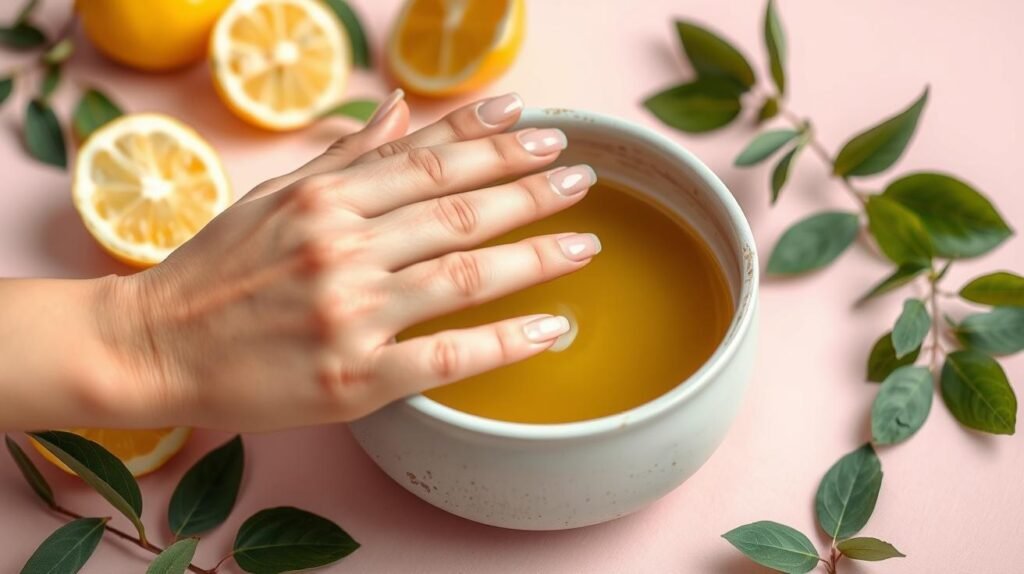
Establishing a routine is essential for consistent progress. Begin each morning by applying a natural cuticle oil, massaging it into the base to stimulate blood flow. Evenings call for a 10-minute soak in warm water mixed with a teaspoon of olive oil and a squeeze of lemon—this duo hydrates and exfoliates gently.
Actionable Tip 1: Weekly, create a DIY nail strengthener by mixing equal parts coconut oil and vitamin E oil. Apply to clean nails, wrap in a warm towel for 15 minutes, then rinse. This locks in moisture and repairs split ends over time.
Actionable Tip 2: Protect your nails during chores with cotton gloves over a base layer of lotion. This shields them from detergents and water exposure, preventing further weakening.
Actionable Tip 3: Trim nails straight across and file lightly once a week, always in one direction to avoid splintering. Buff sparingly with a soft cloth to enhance shine without thinning.
Incorporate these into your daily life for holistic healing. For more personalized advice, explore resources at Unnail. Patience is key—combine with stress reduction, as cortisol can impair growth.
Common Mistakes, Warnings, and Timeline Expectations
While recovery is straightforward, pitfalls abound. A major warning: Never pick or peel off remaining acrylic residue yourself—it can tear the nail bed and lead to infections or permanent ridges. Instead, seek professional removal if needed. Another common mistake is over-moisturizing without balancing with protective barriers, like a clear natural polish, which can make nails too soft and prone to bending.
Avoid jumping back into enhancements too soon; give your nails at least 3-6 months to rebuild. Overuse of strengtheners with formaldehyde can dry out nails further—stick to natural alternatives.
As for timeline expectations, initial improvements like reduced brittleness appear in 2-4 weeks with diligent care. Full strength, with even growth and no peeling, typically takes 3-6 months, depending on damage severity and lifestyle. Track progress with photos; slower growers may see changes in 6-8 weeks. Factors like age, diet, and genetics influence speed—younger skin heals faster. Stay committed, and consult a dermatologist if no progress after two months or if pain occurs. At Unnail, we’re here to support your unique timeline.

Conclusion
Strengthening weak nails after acrylic damage is a rewarding process that restores not just your nails, but your confidence in natural beauty. By understanding the damage, embracing natural methods, and following a consistent routine, you can achieve resilient, healthy nails that grow strong. Remember the actionable tips—daily oils, protective gloves, and gentle filing—while steering clear of common mistakes like aggressive removal. With a realistic timeline of 3-6 months, patience will pay off, leading to vibrant, damage-free nails.
Ready to tailor this journey to your nails? Take Unnail’s free nail health quiz for personalized recovery insights.
Take our free 2-minute nail recovery quiz